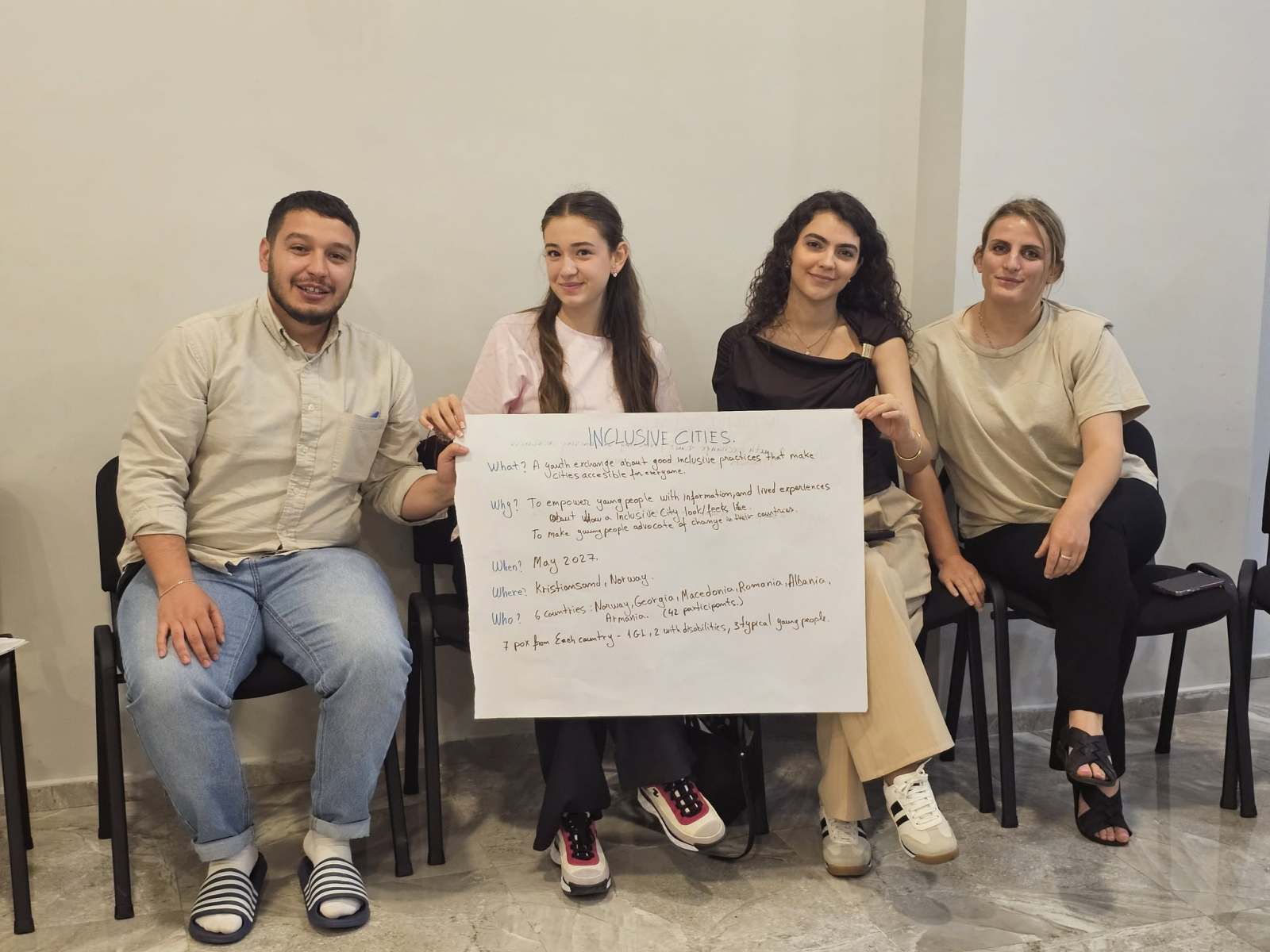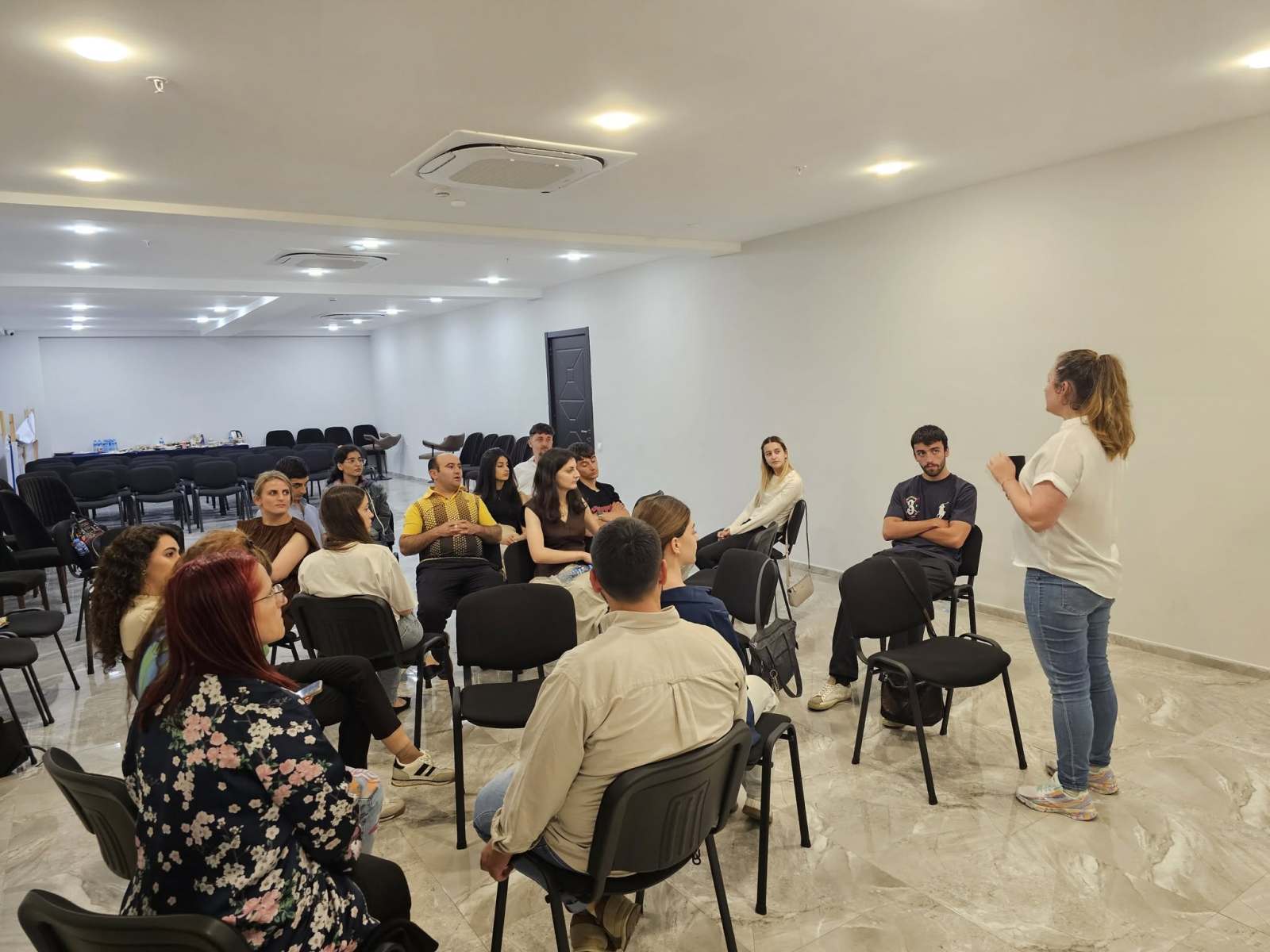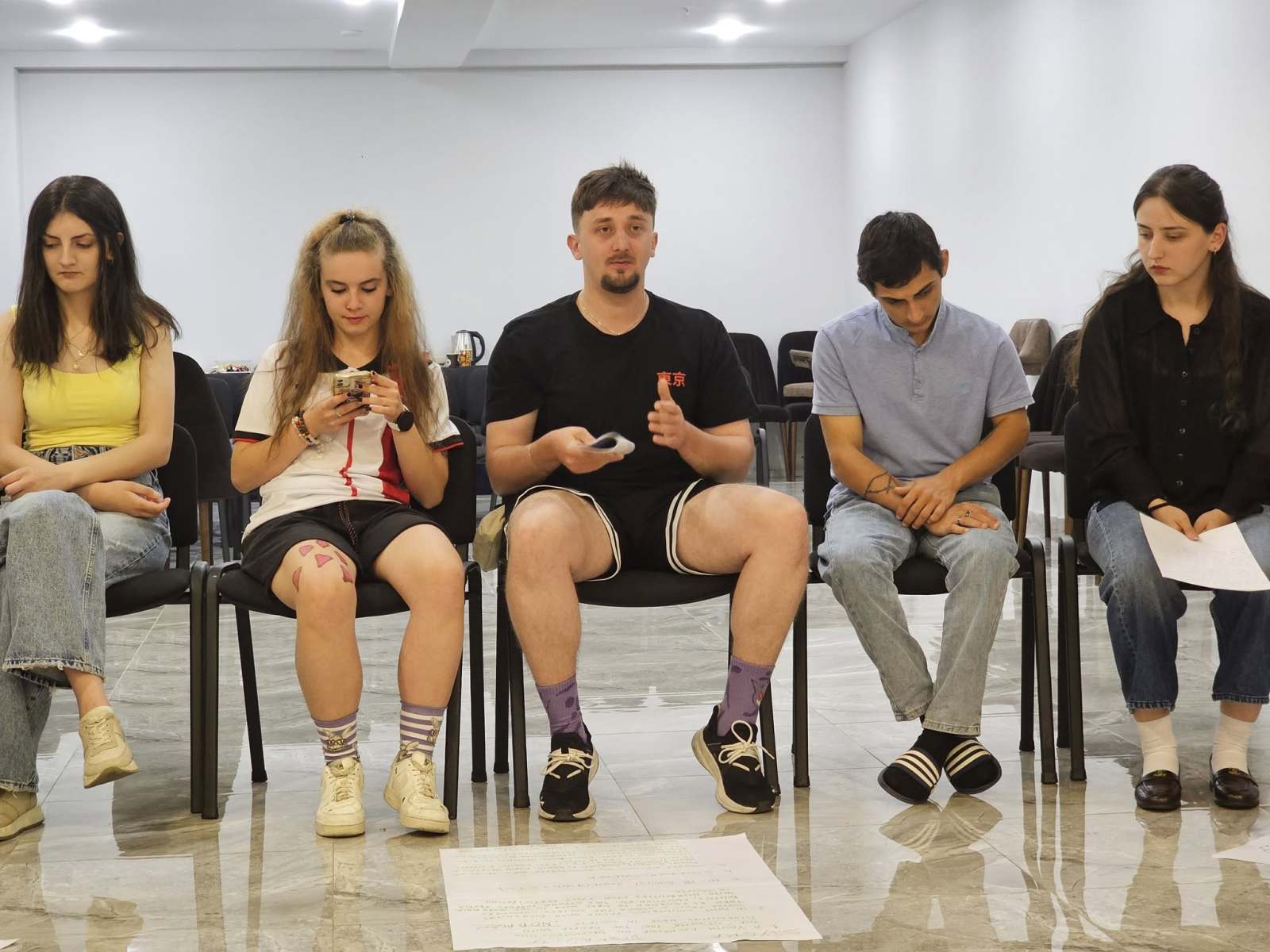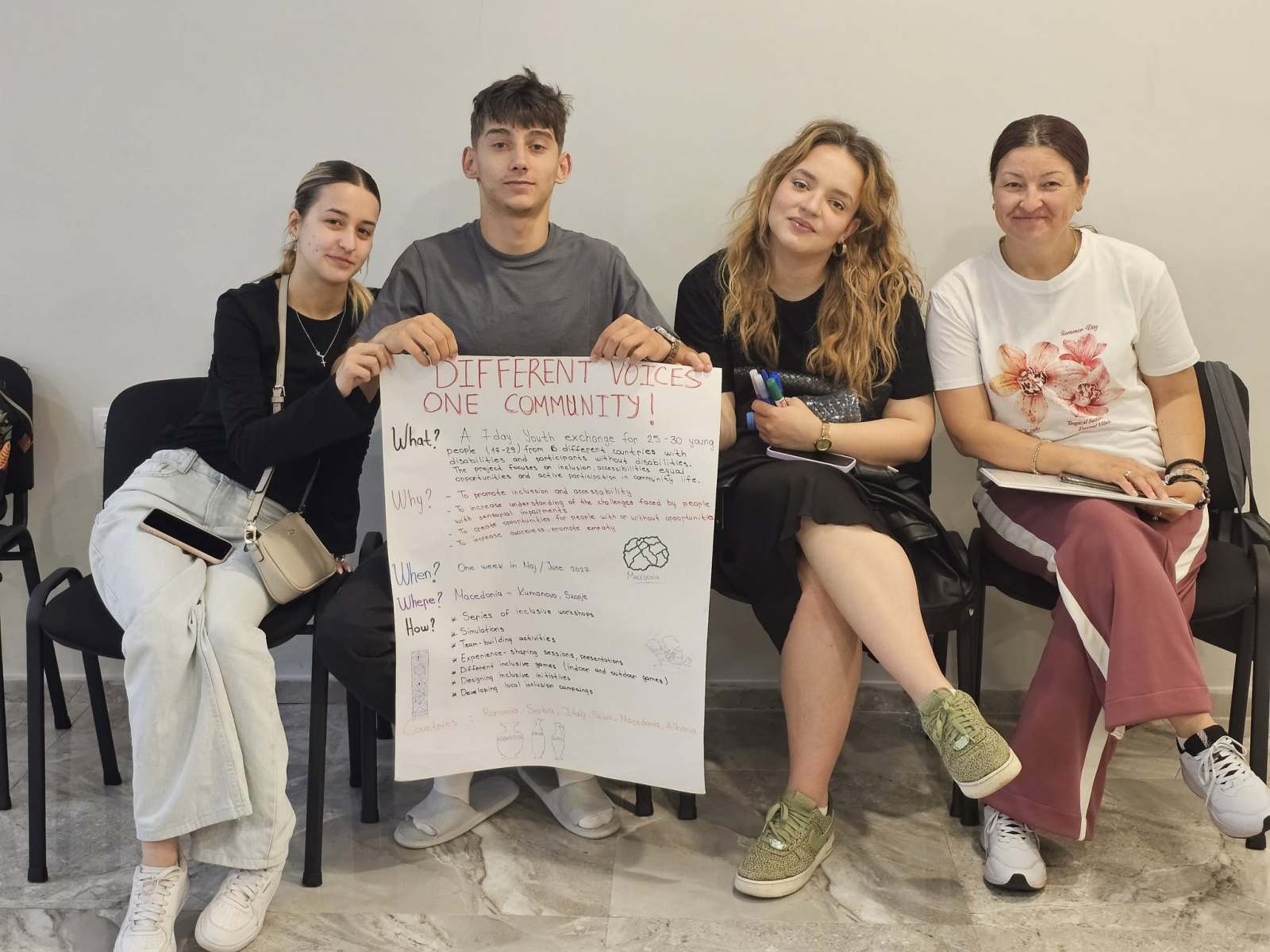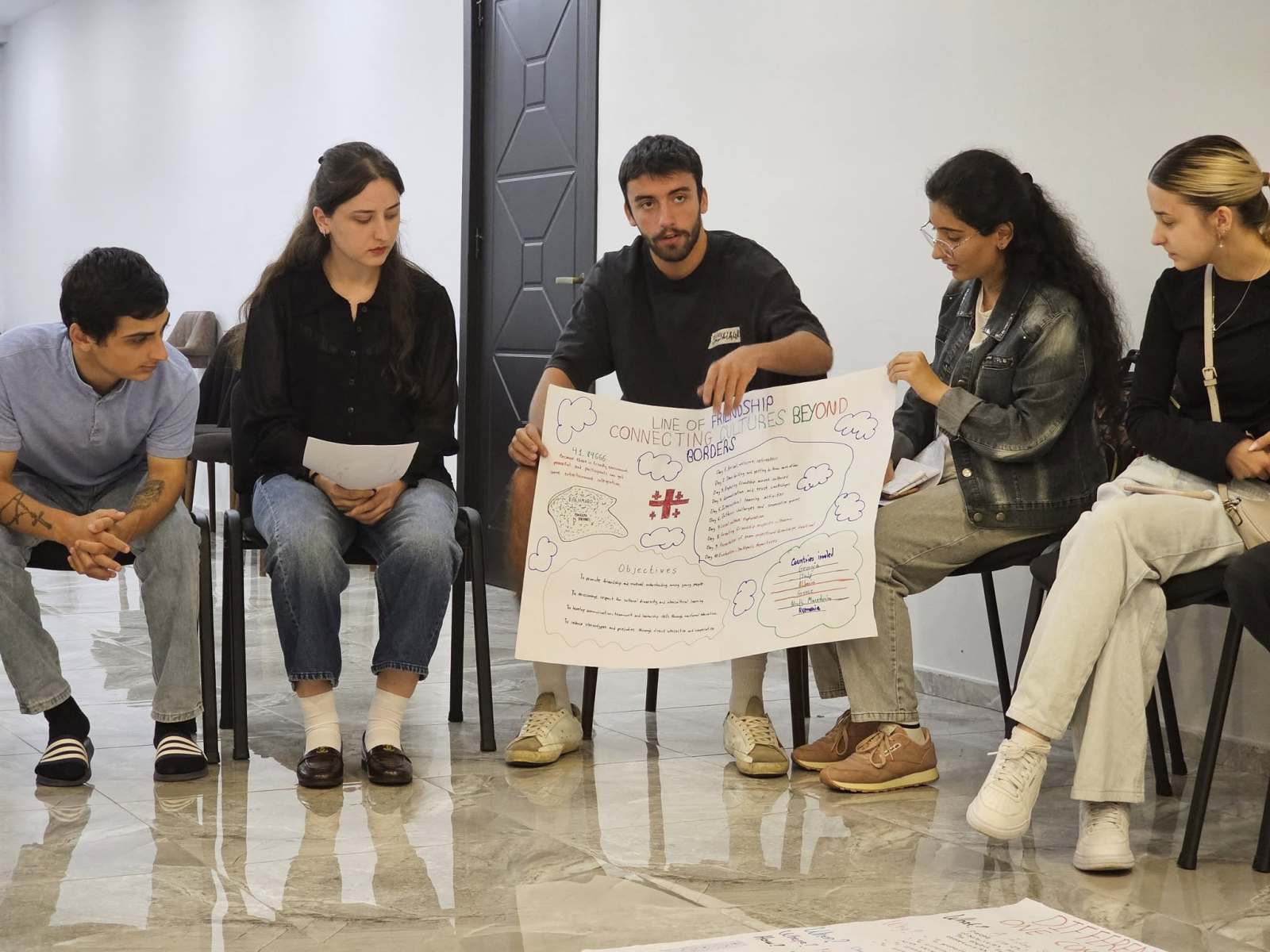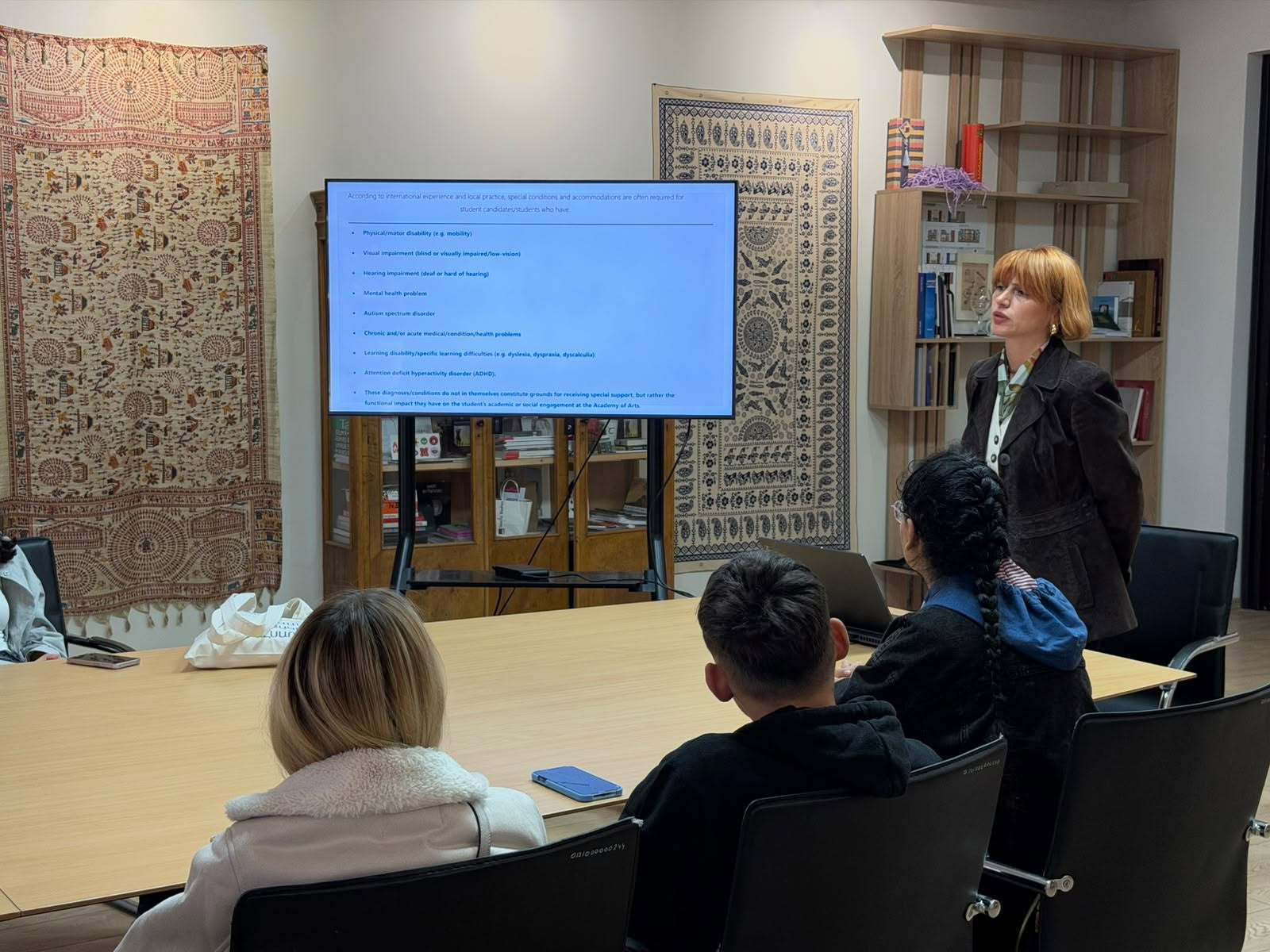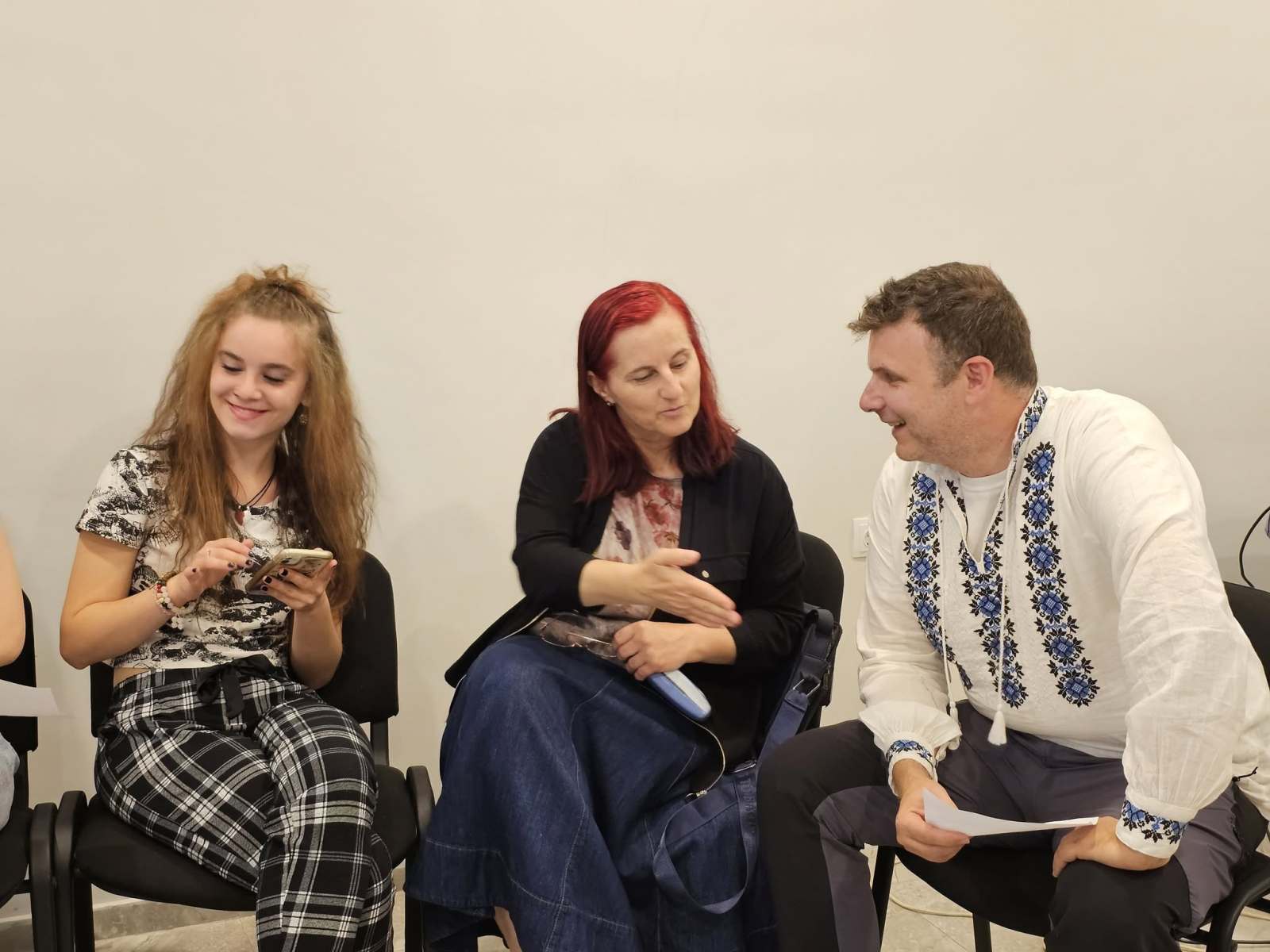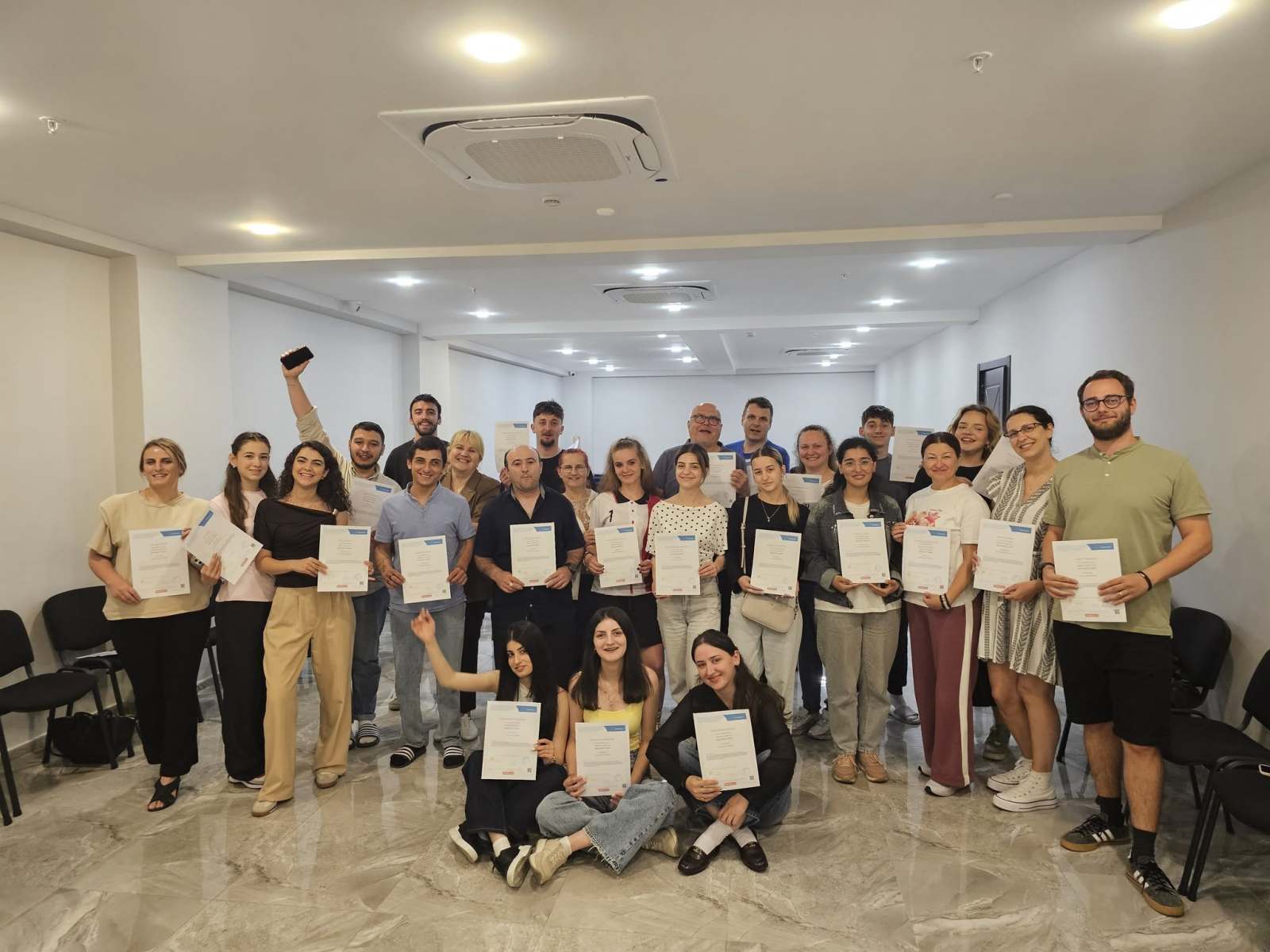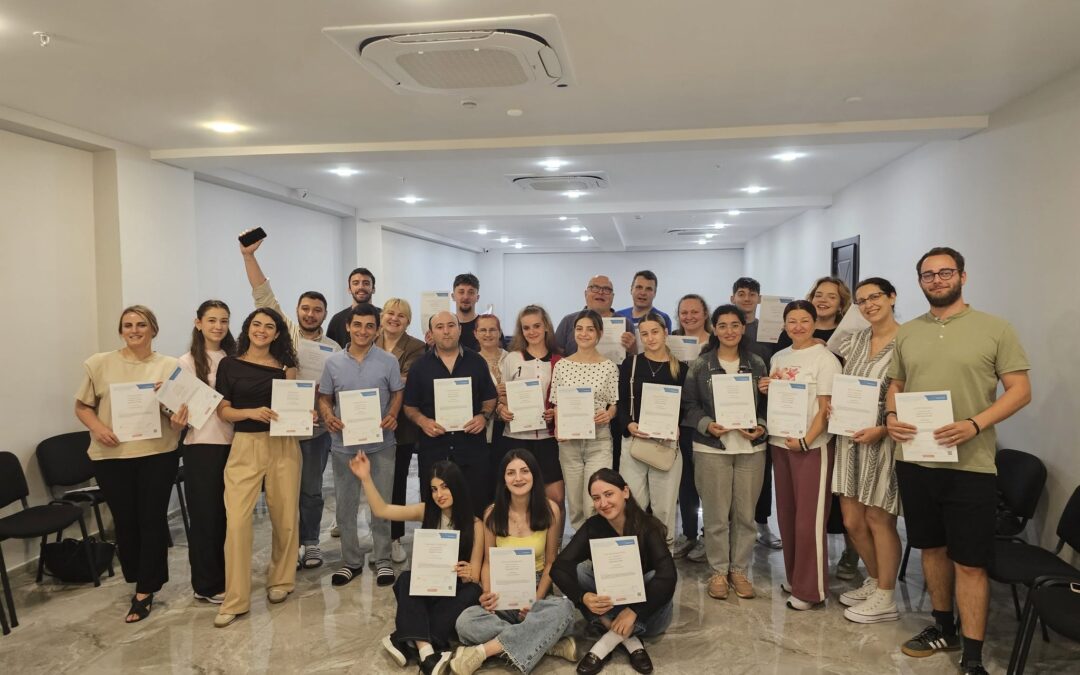
Between 31 May and 6 June 2026, including travel days, 21 youth workers from Romania, Georgia, Armenia, Albania and North Macedonia came together in Tbilisi, Georgia, for the international training course “Inclusive Futures”.
The activity was implemented within the Erasmus+ KA151 Youth project, coordinated by Asociația Babilon Travel. The training was organised in partnership with Multicultural Group from Georgia, Peace Volunteering Network from Albania, Youth Opportunities Club from Armenia and ZIVOT from North Macedonia.
“Inclusive Futures” addressed the importance of quality and inclusion in youth work. Youth workers often work with groups of young people who have different needs, learning styles, communication preferences and levels of participation. For young people with sensory impairments or fewer opportunities, barriers related to communication, accessibility, methods or attitudes can limit their participation. The training created a space for youth workers to reflect on these barriers and explore practical ways to make their activities more accessible, participatory and meaningful.
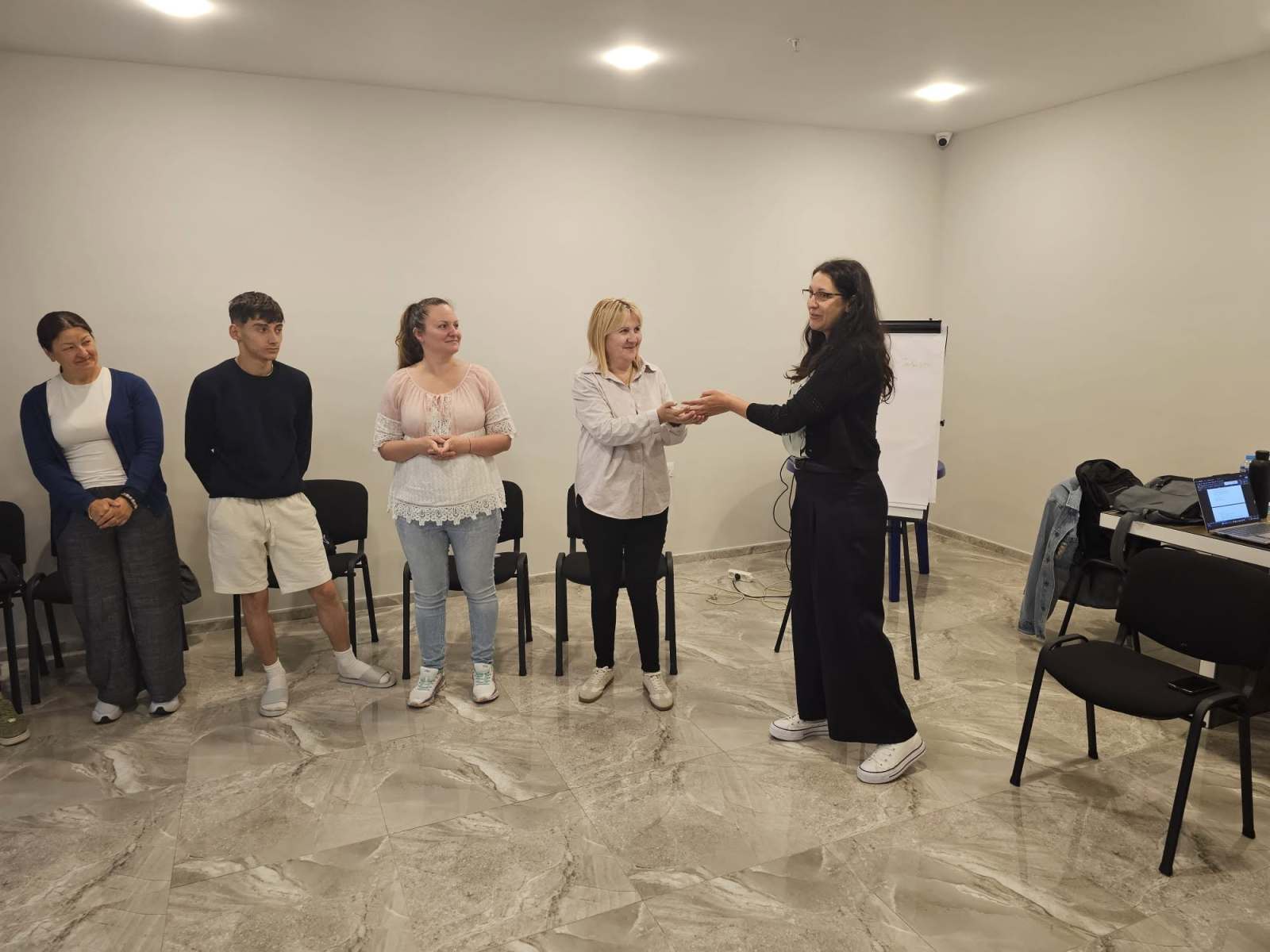
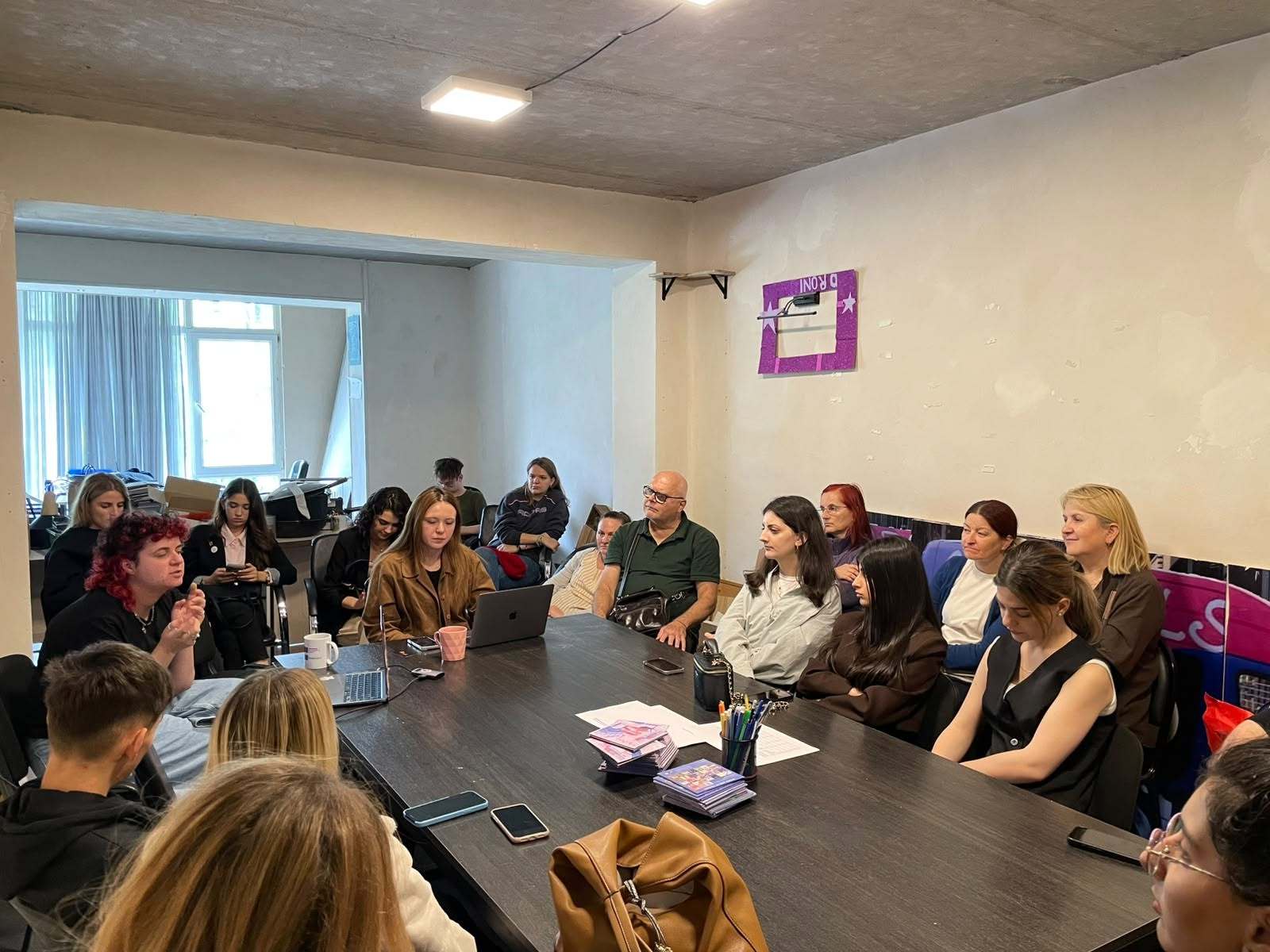
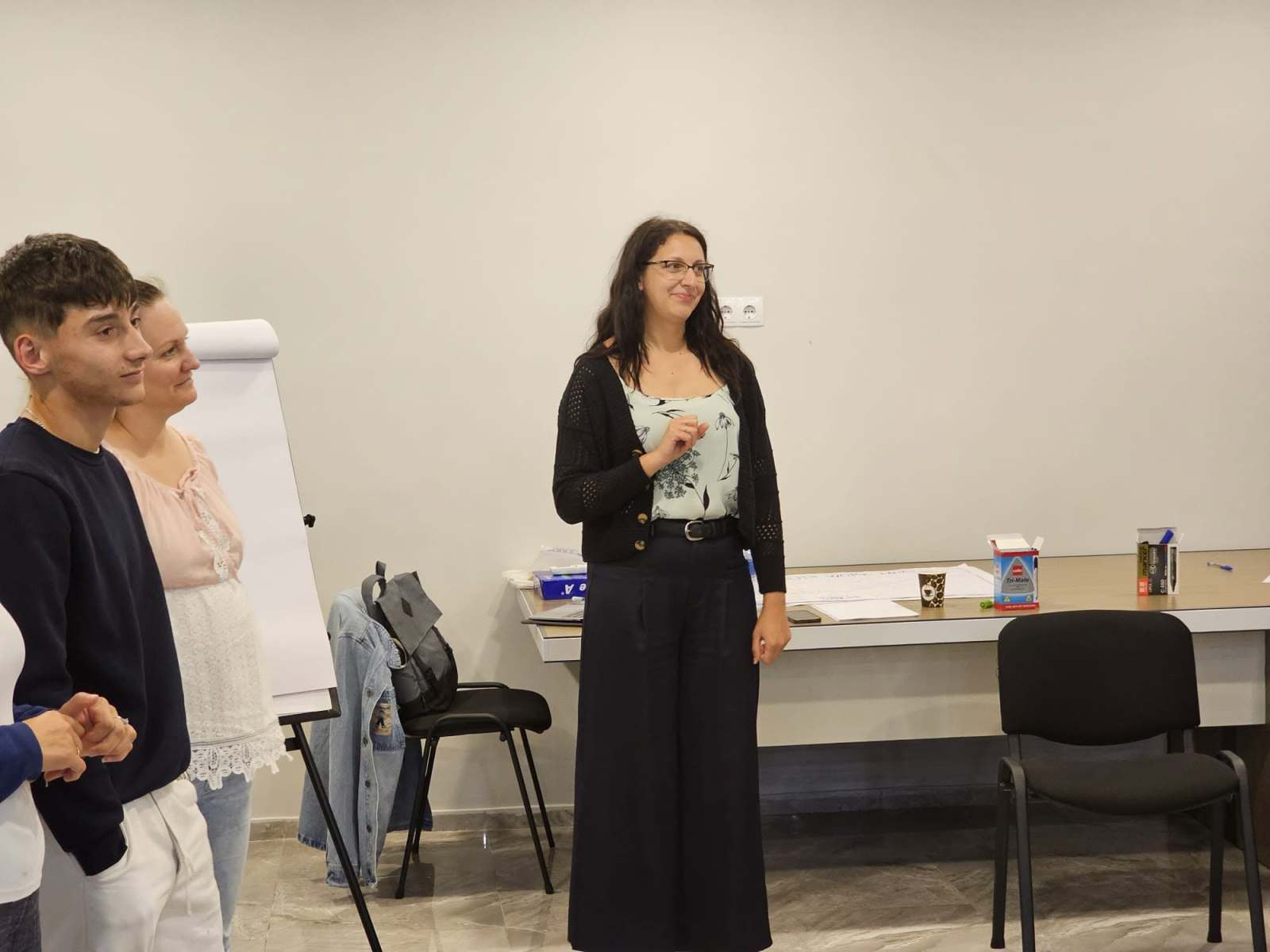
Throughout the training, participants took part in workshops, peer-learning activities, practical exercises, group discussions and creative teamwork. They exchanged experiences from their organisations and countries, discussed current challenges in inclusive youth work and explored methods that can support the participation of young people with diverse needs, including young people with sensory impairments.
The programme also focused on accessible digital tools and practical strategies that youth workers can use when planning and facilitating activities. Participants reflected on how instructions, materials, spaces, communication and group dynamics can influence participation, and how small adaptations can make a significant difference for young people.
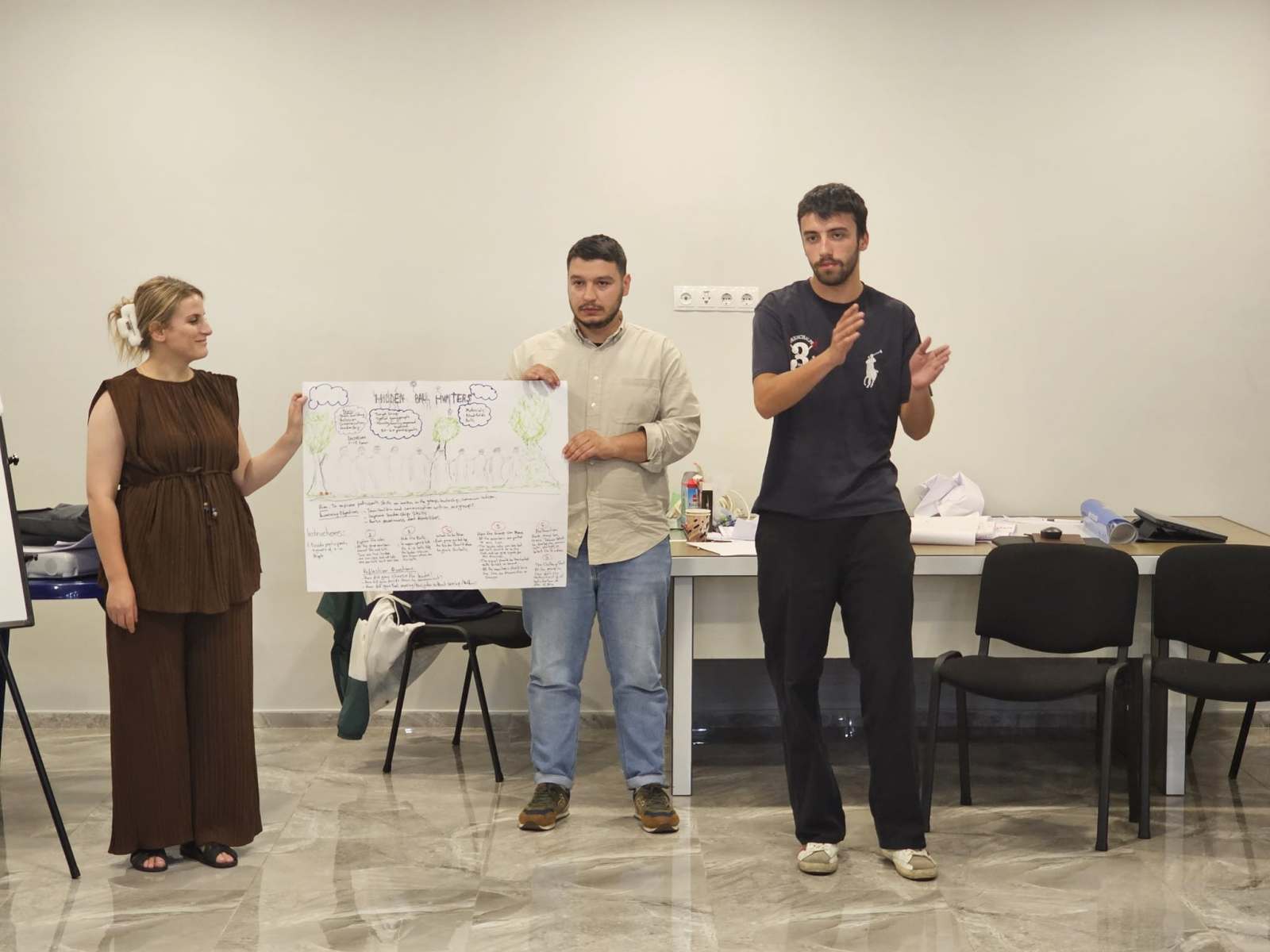
The main practical result of the training was the development of the “Inclusive Youth Work Methods Lab”. Participants worked in mixed international teams to improve, adapt and test youth work activities that could be used with diverse groups of young people. The methods were later presented during an Inclusive Methods Gallery Walk, where participants had the opportunity to experience the activities, provide feedback and reflect on their accessibility, participation potential and transferability.
The activity “Inclusive Futures” was co-funded by the Erasmus+ Programme of the European Union. The views and opinions expressed are, however, those of the authors only and do not necessarily reflect those of the European Union or the European Education and Culture Executive Agency. Neither the European Union nor the granting authority can be held responsible for them.
For more information about the project and future activities, please visit https://babilontravel.eu or contact us at [email protected].